

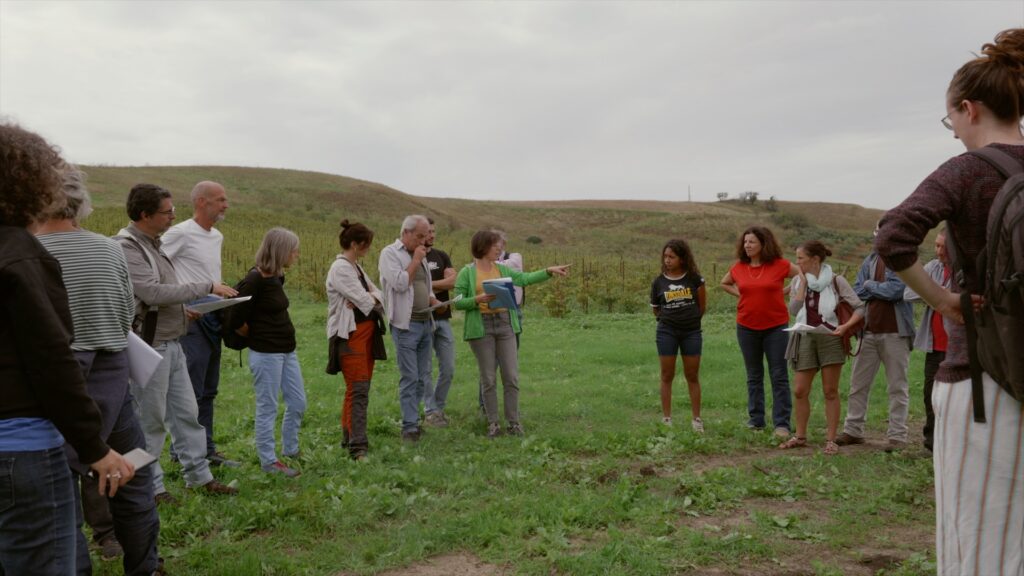
If you’re looking for a sustainable agriculture training course in Sicily, you’ve come to the right moment: interest in agroecology, organic farming and regenerative agriculture has grown considerably in recent years, and the training offer is expanding accordingly.
This guide gives you an overview of the courses available in Sicily and Southern Italy in 2026 — and the right questions to ask yourself to find the programme that’s truly right for you.
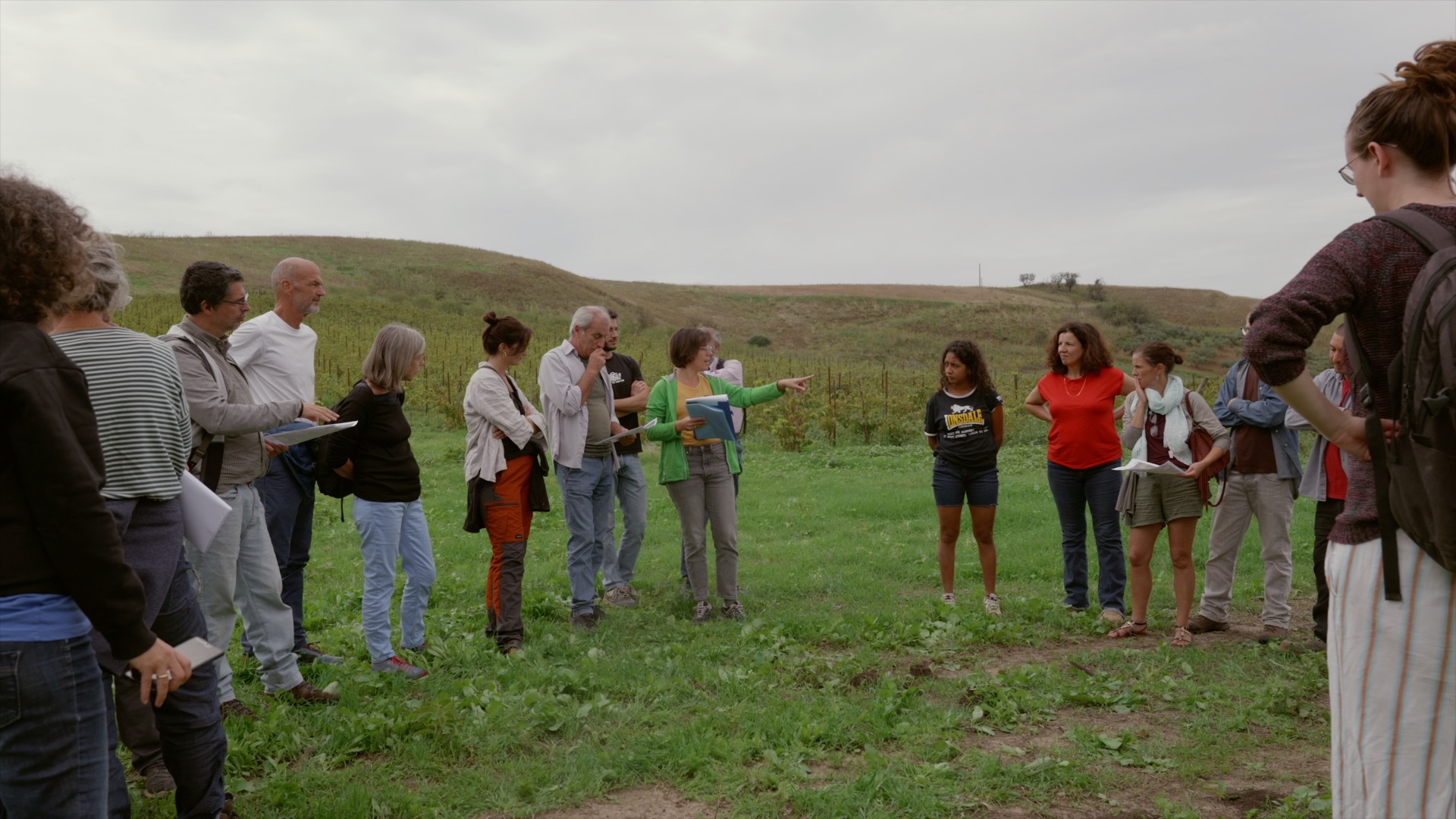
Why train in sustainable agriculture right now
The transition towards more sustainable agricultural systems is no longer just an ethical choice: it is increasingly an economic and practical necessity. Drought, soil erosion, market volatility and new European incentives (CAP, rural development programmes, eco-schemes) are pushing many farmers, technicians and young people who want to work the land to look for new tools.
Training means acquiring those tools: understanding soil, reading an ecosystem, designing a farm that is resilient as well as productive.
What to look for in a sustainable agriculture course
Before choosing, it’s worth asking yourself:
Is it a practical course or just theoretical? Agriculture is learned in the field. The best programmes combine lectures from expert teachers with hands-on activities on farm or in the field.
Who are the teachers? Look for programmes with teachers who come from both scientific research and concrete agricultural practice. The two together make all the difference.
Do you need a structured programme or thematic modules? If you’re exploring, a single module may be enough. If you want a deep shift in your approach to farming, you need a year-long programme with a progressive logic.
Is it rooted in the territory? Sicily has specific soil and climate characteristics — drought, soils prone to erosion, local varieties, particular agricultural traditions. A course designed for this context has more practical value than a generic one.
The training landscape in Sicily in 2026
The offer of sustainable agriculture courses in Sicily is still growing. You can find:
- Workshops and single-day events organised by cooperatives, associations and farms, often focused on specific topics (composting, heritage seeds, water management). Useful for exploring a subject, but they don’t replace a structured programme.
- Online courses and webinars on national and international platforms: often good quality, but lacking the practical component and territorial grounding that agricultural training requires.
- Permaculture and agroecology school programmes available in some Italian regions, with most locations concentrated in Central and Northern Italy. Good references, but not always calibrated for the Mediterranean and Sicilian context.
- Professional development courses for agronomists and agricultural technicians, often short and highly specialised.
For those seeking a year-long, structured programme rooted in Sicily with both a scientific and practical approach, the offer narrows considerably.
SPAE: the only practical agroecology school in Western Sicily
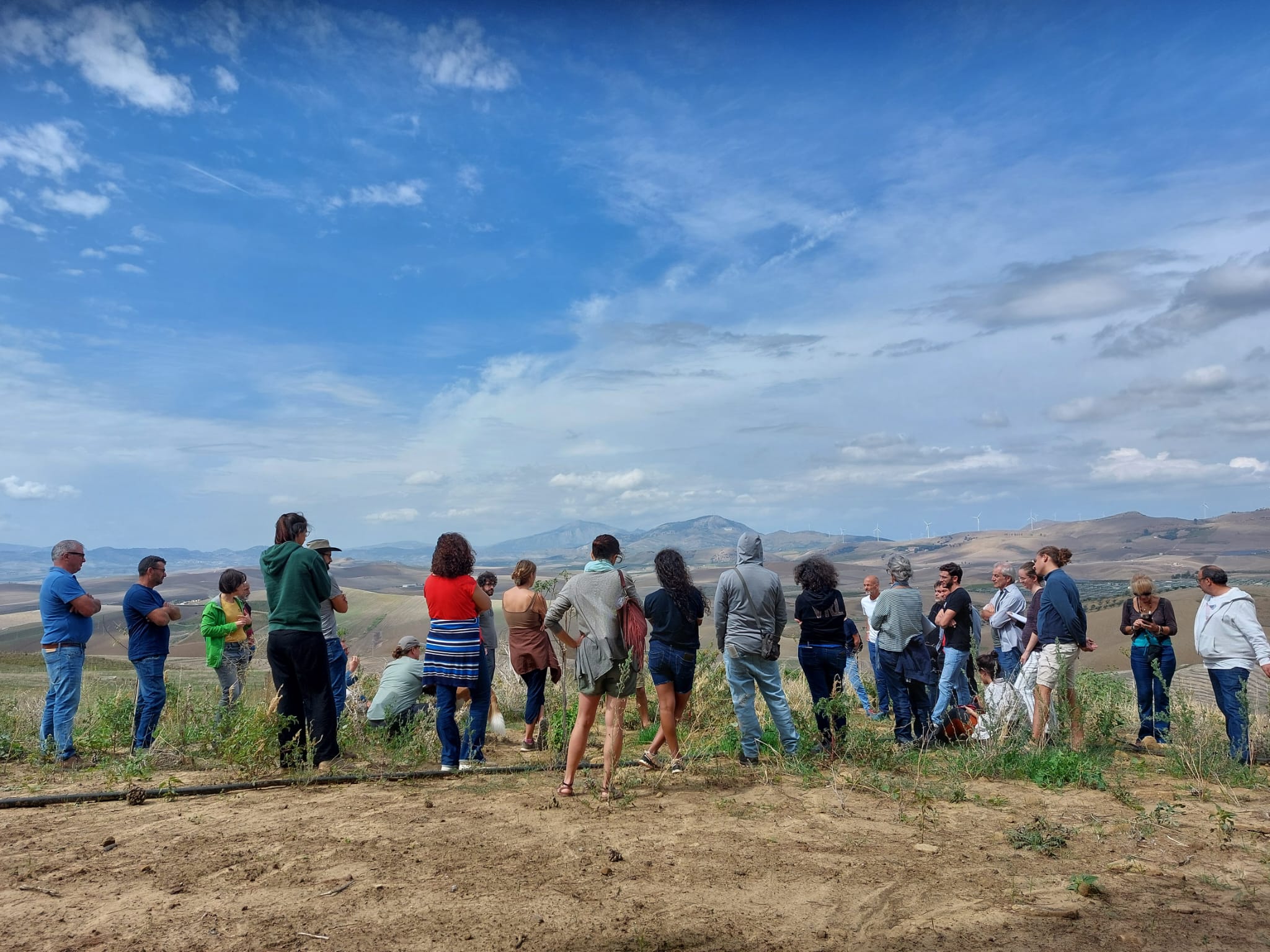
The SPAE — Scuola Pratica di Agroecologia Valdibella was founded in 2021 in Camporeale (PA) by the Cooperativa Agricola Valdibella. It is the most complete agroecology training programme currently available in Sicily.
What sets it apart:
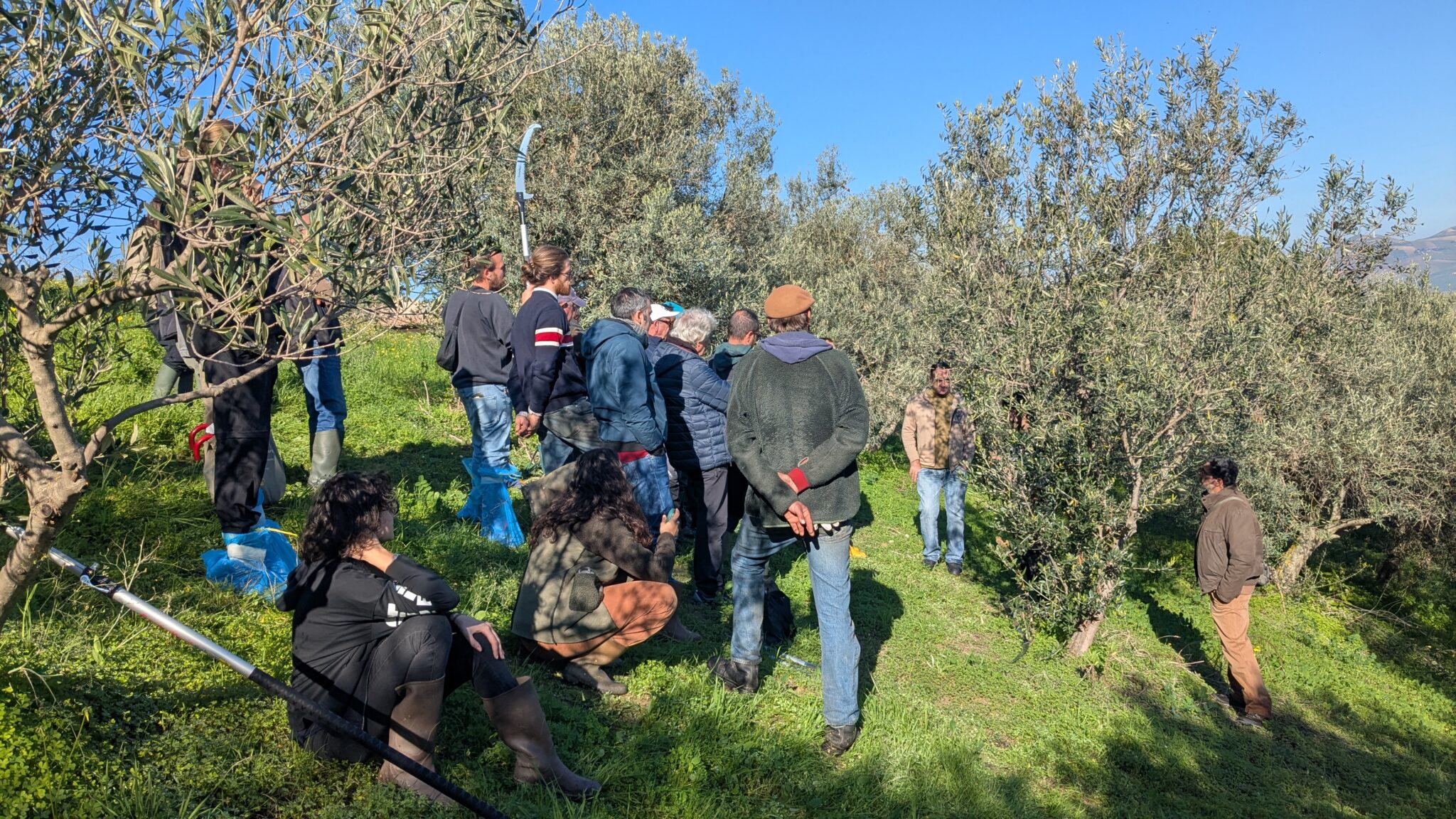
A year-long programme of 9 modules. Not a workshop, not a webinar: a year of progressive training that builds solid skills, one after another. Each module takes place over a weekend (Saturday and Sunday) and combines lectures from experts with hands-on field activities.
Teachers from research and practice. The SPAE scientific advisory committee includes ecologists, agronomists, soil biogeochemists, environmental sociologists and farmers with years of direct experience. You don’t just learn the theory: you learn how the theory applies in Western Sicily.
Territorial rootedness. The school is based in Camporeale, in a real agricultural setting, with the cooperative’s fields as a living laboratory. The topics covered — from water management to biodiversity, from European policy to holistic grazing — are calibrated to the concrete challenges of working in the Mediterranean.
Accessibility. The cost per module is €120 (lunches included). You can enrol in the full programme or choose individual modules based on your needs and availability.
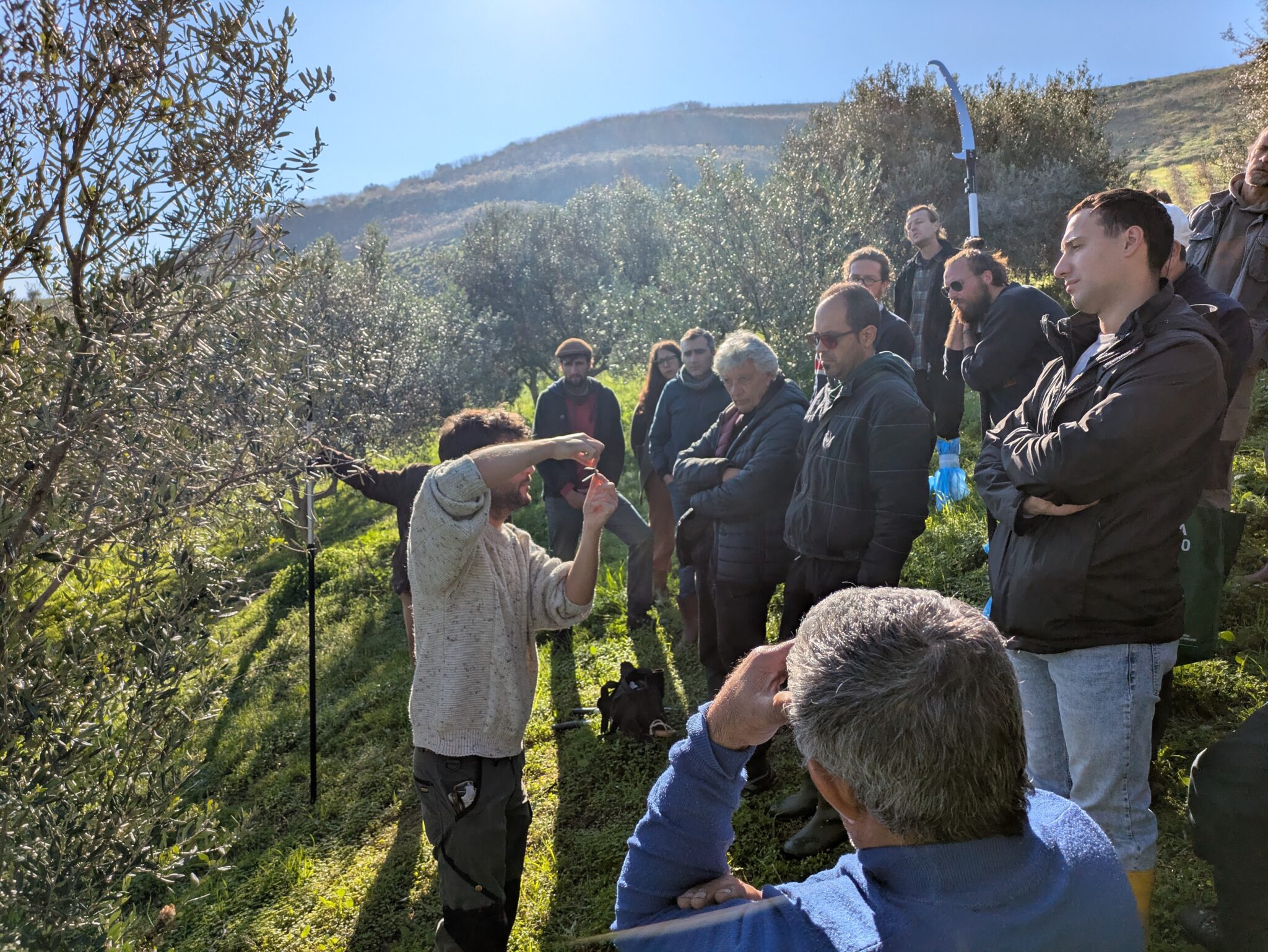
The 2026 modules at a glance
The SPAE 2026 programme covers the fundamental themes of agroecology:
- Principles and design of the agroecological farm (February)
- Biodiversity as a productive resource (March)
- Healthy soil and soil biology (April)
- Water management in an agroecological perspective (May)
- The role of animals in the agroecosystem (June)
- Markets, supply chains and community (September)
- Agroecology, policy and the CAP (October)
- Systemic complexity and decision making (November)
- Agroecological farm design — closing module reserved for full-programme participants (December)
Who is the SPAE programme suited for
SPAE is aimed at anyone who wants to build real agroecological skills:
- Farmers and agricultural entrepreneurs who want to start or deepen a transition towards more sustainable practices
- Agronomists and technicians looking for practical, up-to-date field training
- Young people and newcomers who want to approach agriculture with solid foundations
- People passionate about sustainability, the environment and food systems
No prior experience is required to participate.
Enrol in the SPAE 2026 programme
Places are limited. If you’re considering joining a module or the full programme, write to us to receive information on the detailed schedule, upcoming module dates and how to register.
→ Write to us: spae@valdibella.com
