


If you’ve heard the word agroecology but aren’t quite sure what it means — or how it differs from organic farming as you know it — you’re in the right place.
In this article we explain what agroecology is, what principles guide it, and why it is increasingly becoming the reference point for anyone who wants to farm in a truly sustainable way.
The definition of agroecology
Agroecology is an approach to farming that applies ecological principles to agricultural systems. It is not simply a technique or a cultivation method: it is a scientific discipline, a practice, and at the same time a social movement.
The term combines two words: ecology — the science that studies the relationships between living organisms and their environment — and agriculture. The central insight is simple but powerful: a cultivated field is also an ecosystem, and it can be managed as one.
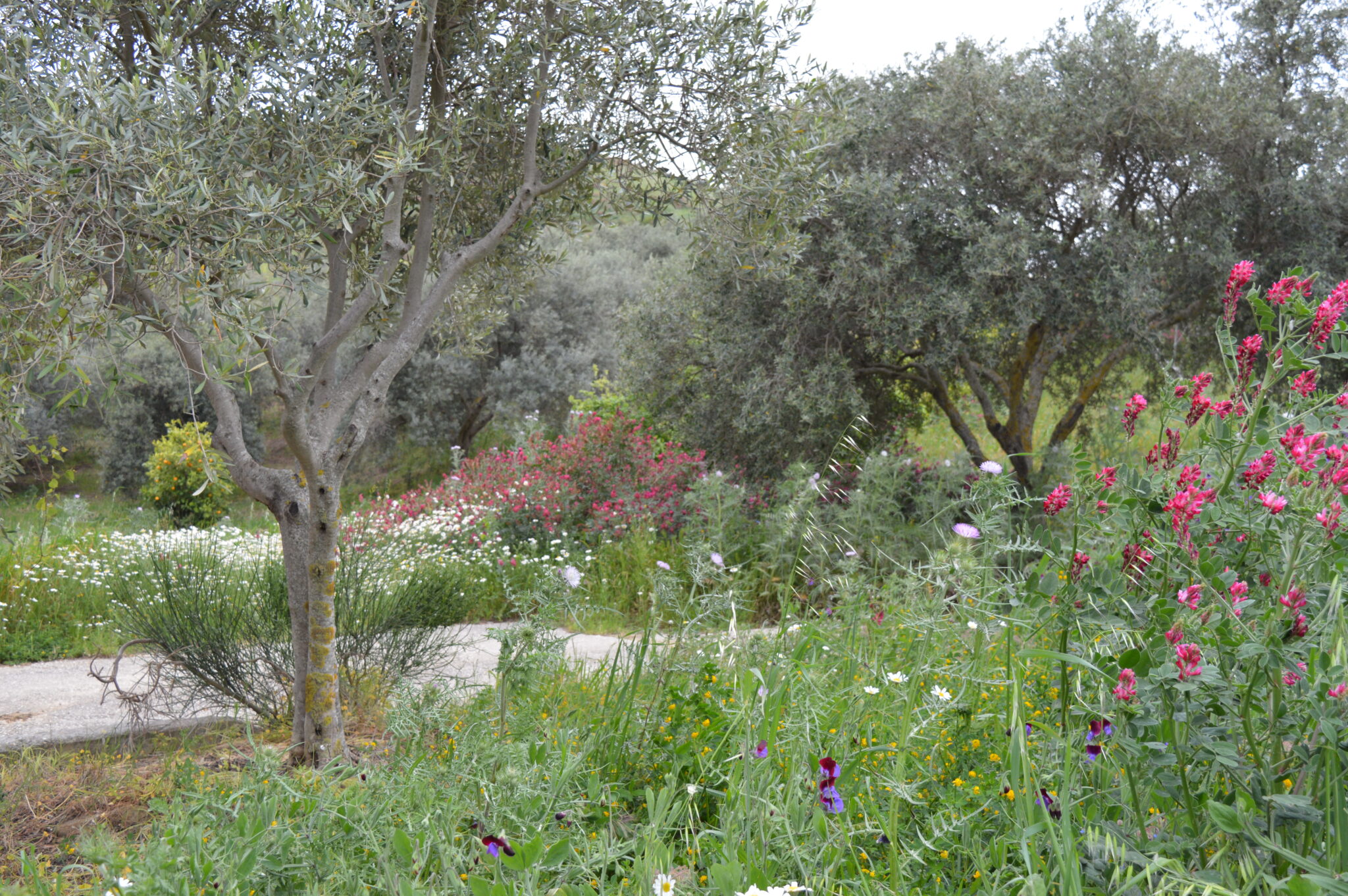
In practice, agroecology invites us to see the farm not as a food factory, but as a living system made of relationships: between soil and plants, between insects and crops, between water and landscape, between farmer and community.
The core principles of agroecology
Agroecology has no single “manual” to follow. But there are shared principles that guide the choices of those who practise it:
Biodiversity as a resource. The more diversified an agricultural system is — in crops, species and habitats — the more resilient it becomes. Biological diversity is not an obstacle to productivity: it is its most solid foundation.
Soil as a living organism. Healthy soil is full of life: bacteria, fungi, earthworms, roots. Agroecology protects and nourishes this life instead of degrading it with intensive chemical inputs.
Natural cycles instead of external inputs. The goal is to reduce dependence on synthetic fertilisers and pesticides by reactivating the natural cycles of nutrients and biological control.
Local knowledge and participation. Agroecology values the knowledge of farmers, built over time and in their territory. Scientific research and practical knowledge complement each other rather than compete.
Equity and community. Agroecological systems look beyond field yields: they also consider working conditions, access to land, relationships with local markets, and the food sovereignty of communities.
Agroecology and organic farming: what are the differences?
This is one of the most frequently asked questions, and the answer is worth exploring in depth.
Organic farming is first and foremost a certification system: it defines what can and cannot be used in the field (no synthetic pesticides, no chemical fertilisers). It is a standard regulated at European level, with precise specifications.
Agroecology goes further. It is not a certification, but a way of thinking about the agricultural system as a whole. A farm can be organically certified without being agroecological — for example, if it grows monocultures, imports organic inputs from far away, or does not consider its impact on the local landscape.
Conversely, many agroecological farmers are not certified organic, but apply practices that go far deeper in terms of respect for ecosystems.
In short: organic farming says what not to do. Agroecology says how to think about the system.
Why agroecology matters today
Increasingly frequent droughts. Soil erosion. Loss of biodiversity. Dependence on imported energy and chemical inputs. These are not future problems: they are the reality that many farmers — especially in Southern Italy and Mediterranean areas — face every season.
Agroecology does not promise magic solutions. It offers something more valuable: tools to read the system you work in, understand its weaknesses, and build real resilience over time.
It is no coincidence that in recent years more and more institutions — from the FAO to the European Union — recognise agroecology as one of the most credible pathways towards sustainable food systems.
How to learn agroecology
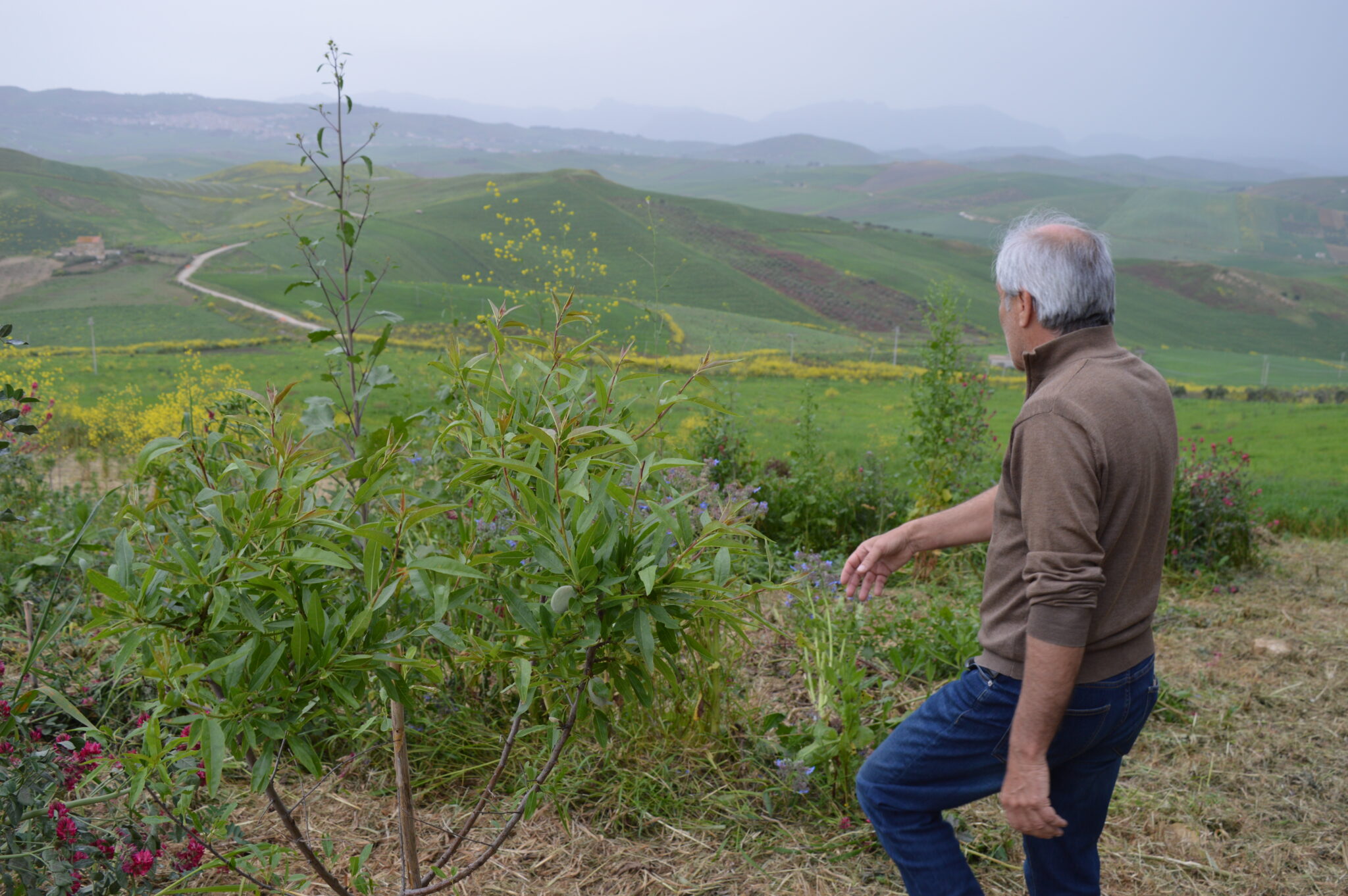
Agroecology is studied, but above all it is practised. Reading alone is not enough: you need to learn to observe soil, read a landscape, and understand the interactions between species in a field.
This is why the most effective agroecological training is one that combines theory with hands-on fieldwork — with teachers who come from both the research world and direct farming practice.
Start with SPAE
If you want to deepen your understanding of agroecology through a structured and practical programme, the SPAE — Scuola Pratica di Agroecologia Valdibella offers a year-long course of 9 modules in Camporeale, in Western Sicily.
Each module takes place over a weekend, combining lectures from expert teachers with practical field activities. You can join the full programme or register for individual modules.
→ Find out about the programme and register: spae@valdibella.com
